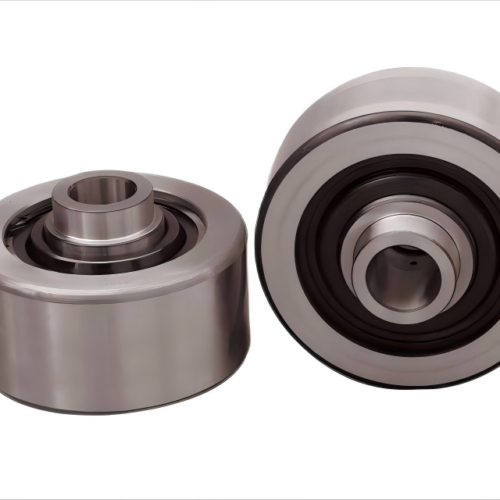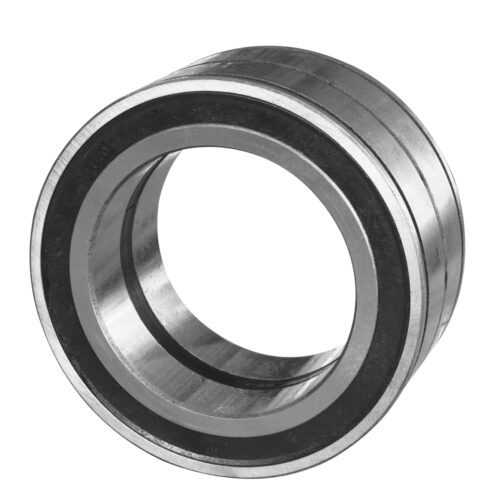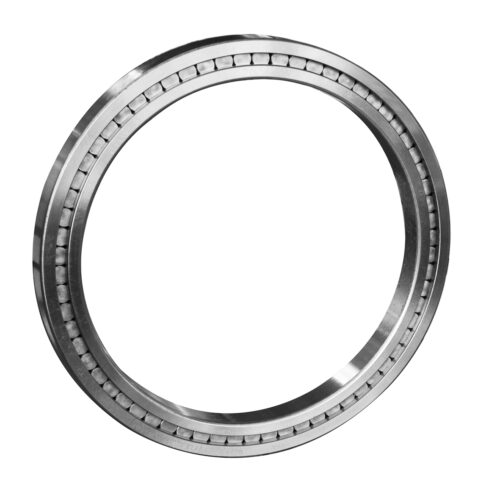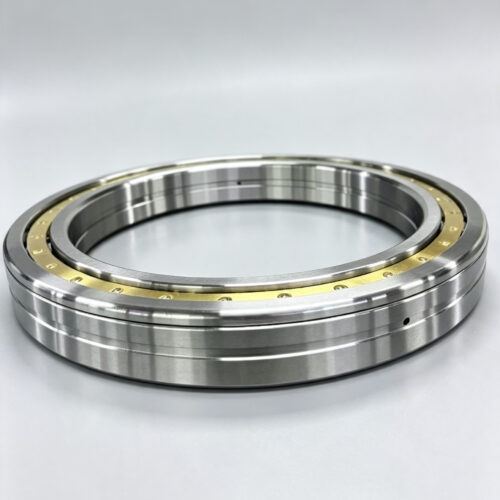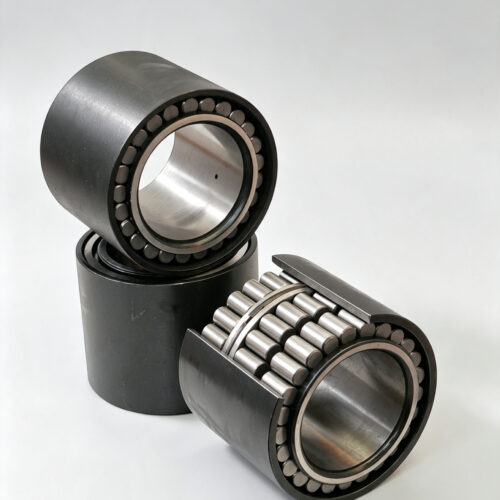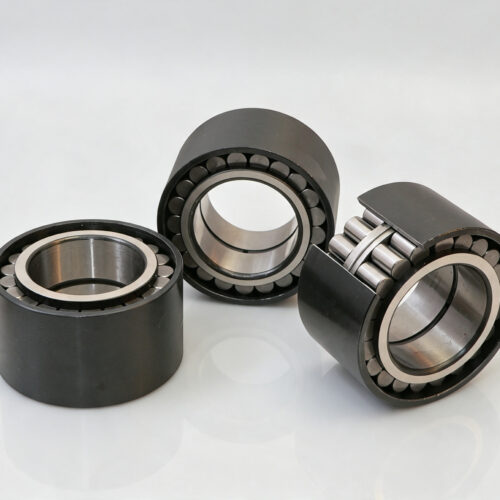
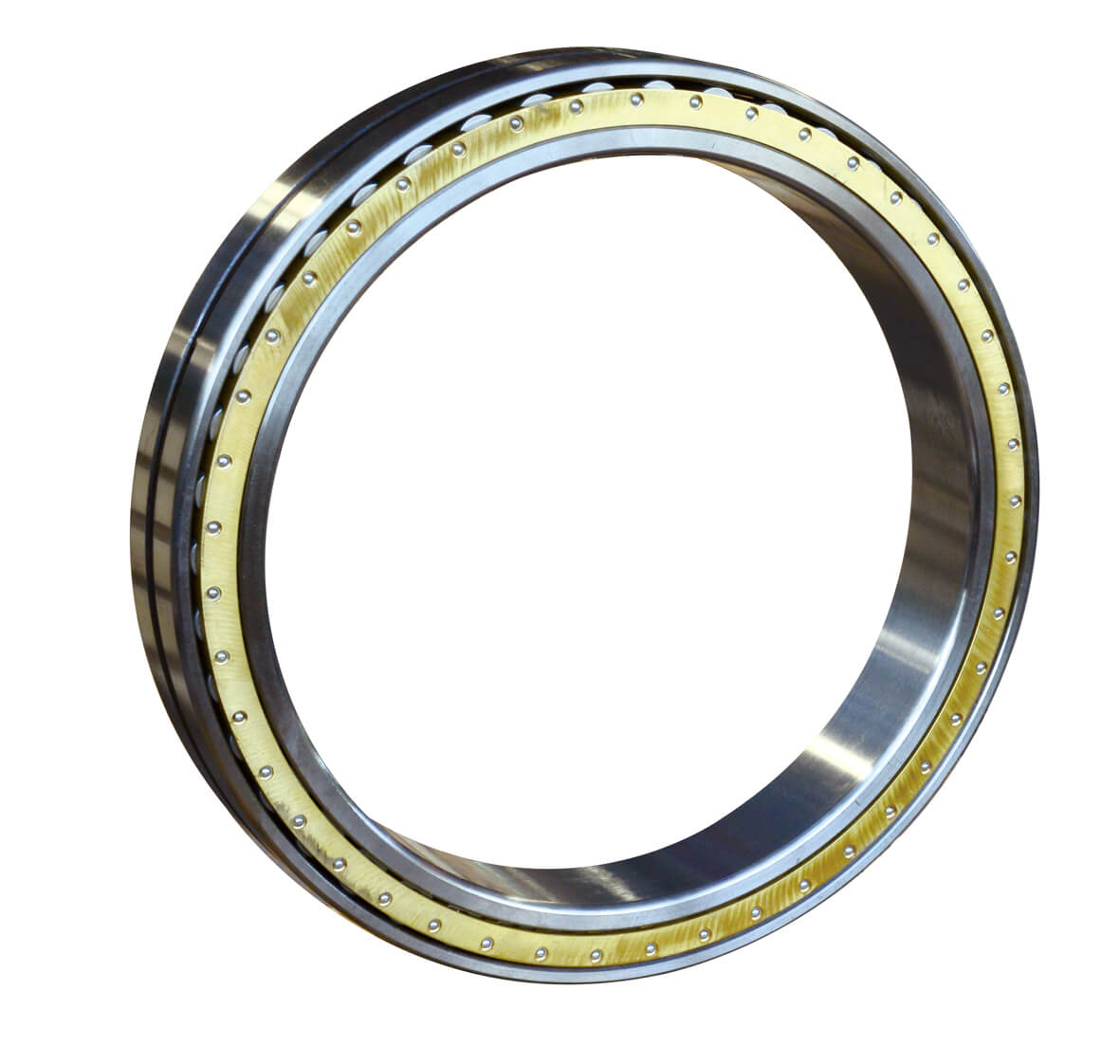
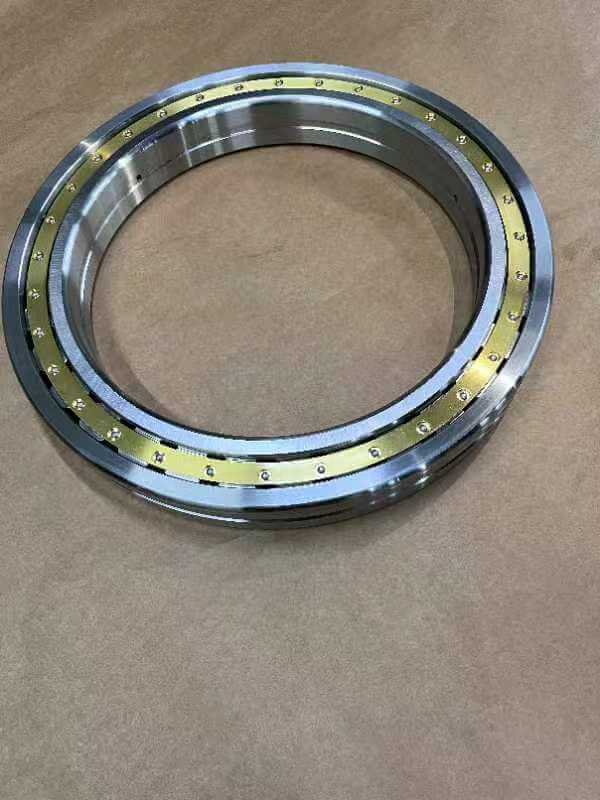
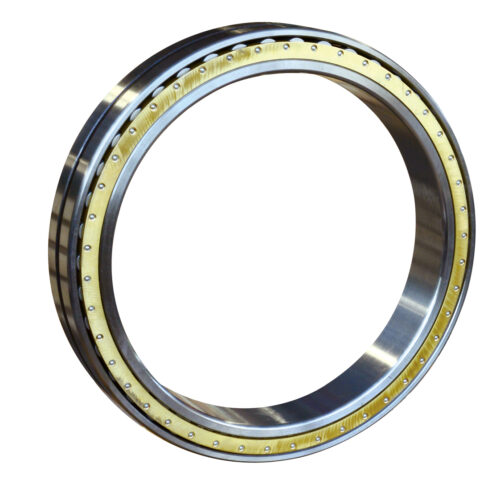
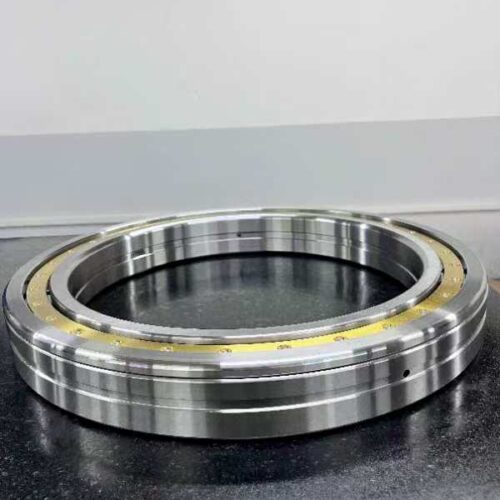
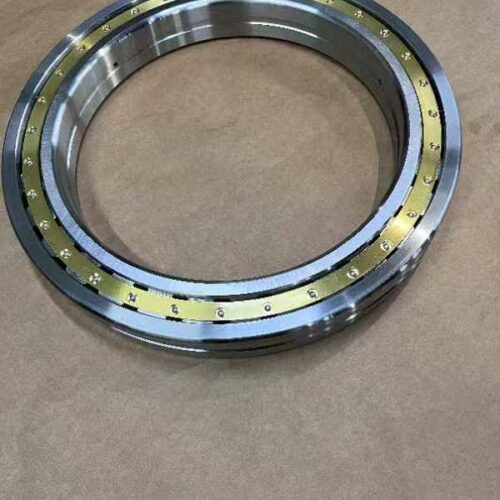
Introduction of Cylindrical Roller Bearings for High‑Pressure Fracturing Pumps
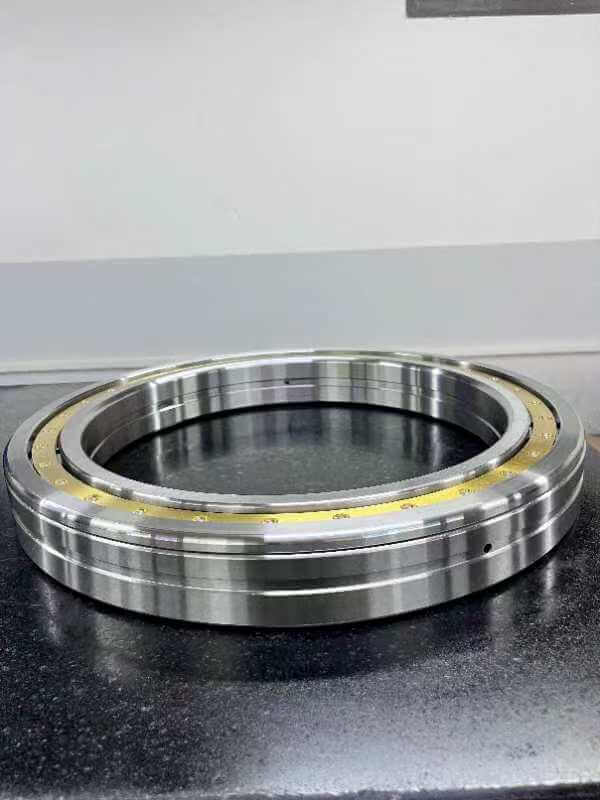
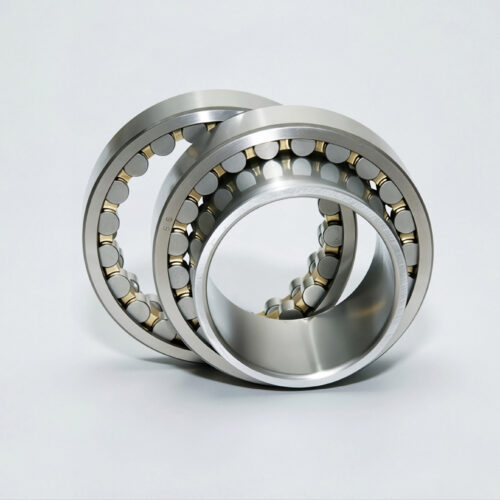
Modern hydraulic fracturing operations demand continuous pumping at pressures exceeding 15,000 psi (103 MPa) and flow rates of 100+ barrels per minute. At the heart of every fracturing pump (whether triplex or quintuplex design) lies the bearing system. Cylindrical roller bearings have become the undisputed standard for fracturing pump power ends and connecting rod supports. This document explains why – with detailed technical parameters and real‑world application scenarios of Cylindrical Roller Bearings for High‑Pressure Fracturing Pumps.
1. Technical Deep Dive: High Radial Load Capacity of Cylindrical Roller Bearings for High‑Pressure Fracturing Pumps
High radial load capacity is the primary reason engineers select cylindrical roller bearings for fracturing pump applications. Unlike ball bearings that rely on point contact, cylindrical roller bearings use line contact between rollers and raceways. The Hertzian contact stress is significantly reduced, allowing the bearing to carry radial loads up to 2–3 times higher than a comparable ball bearing.
Technical specifics:
Roller profile: Optimized logarithmic crowning prevents edge loading, distributing stress evenly across the roller length. This is critical for high radial load capacity when the fracturing pump operates near its maximum rod load (often 250,000 lbf or more).
Material: Through‑hardened or case‑carburized bearing steel (e.g., AISI 8620, 100Cr6) with core hardness of 58–62 HRC ensures that high radial load capacity is maintained even under cyclic overloading.
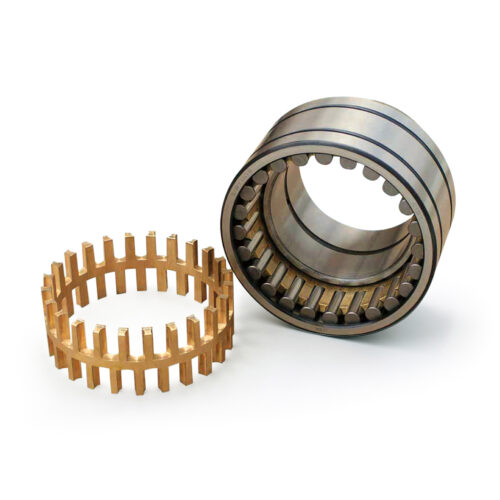
Cage design: Machined brass or polyamide cages with high strength retainers keep rollers aligned, preventing skewing that could compromise high radial load capacity.
Application scenario – Deep shale fracturing:
In a typical Wolfcamp or Marcellus shale well, a fracturing pump runs 18–20 hours per stage at 2,500 HP. Cylindrical roller bearings here must endure continuous high radial load capacity demand without fatigue spalling. Field data show that cylindrical roller bearings with enhanced high radial load capacity achieve L10 lives exceeding 10,000 hours, whereas ball bearings fail within 3,000 hours under identical loads.
2. Technical Deep Dive: Impact Resistance of Cylindrical Roller Bearings for High‑Pressure Fracturing Pumps
Impact resistance refers to a bearing’s ability to absorb sudden shock loads without brinelling, cracking, or cage fracture. The reciprocating motion of a fracturing pump generates hydraulic shocks each time the plunger changes direction. These shocks produce instantaneous load spikes 1.5–2× the mean load.
Technical specifics:
Internal clearance: Cylindrical roller bearings for fracturing pump applications are supplied with C3 or C4 radial clearance. This extra internal clearance absorbs thermal expansion and provides a cushion against impact resistance demands.
Roller end geometry: Spherical roller ends combined with flanged rings prevent stress risers, greatly improving impact resistance under high‑frequency shock (up to 200 strokes per minute).
Heat treatment: Carburised outer rings with retained austenite (15–20%) enhance impact resistance by allowing micro‑plasticity without cracking.
Application scenario – Refracturing operations:
When a fracturing pump is used for refracturing an old well, the formation often causes erratic pressure spikes from 5,000 psi to 12,000 psi in milliseconds. Cylindrical roller bearings with high impact resistance survive these transients. A major Permian operator reported a 60% reduction in bearing‑related downtime after switching to cylindrical roller bearings specifically heat‑treated for impact resistance.
3. Technical Deep Dive: Durability
Durability encompasses resistance to wear, contamination, misalignment, and lubrication degradation – all common in fracturing pump environments. The fracturing pump gearbox and power end are often lubricated with 15W‑40 diesel engine oil that becomes contaminated with abrasive particles (silica, iron fines) over time.
Technical specifics:
Misalignment tolerance: Cylindrical roller bearings accommodate up to 4–6 arc minutes of angular misalignment without edge loading, which directly improves durability.
Surface coating: Black oxide (Fe₃O₄) or DLC (diamond‑like carbon) coatings can be applied to rollers and raceways to increase durability by reducing friction and resisting micropitting.
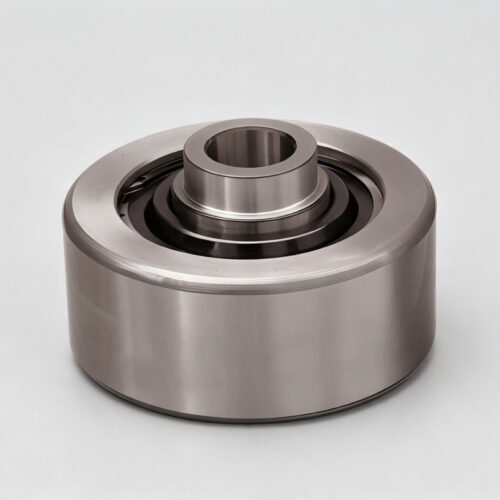
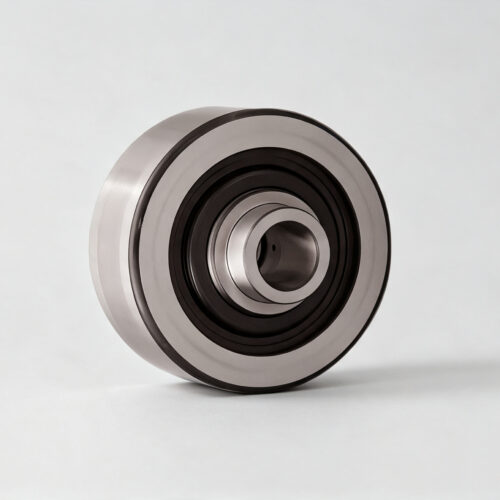
Sealing options: While cylindrical roller bearings are typically open, they can be integrated with labyrinth seals or HDS (heavy duty seal) systems to keep contaminants out, further extending durability.
Application scenario – Sandy fracturing fluid:
In some formations, proppant (sand or ceramic) backflow into the fracturing pump lubricating system is unavoidable. Cylindrical roller bearings with case‑carburized races and optimized surface finish demonstrate superior durability – they tolerate particle indentation without initiating fatigue spalls. Testing per ASTM D4172 (four‑ball wear) shows that cylindrical roller bearings with advanced coatings have 4× the durability of standard uncoated bearings under contaminated lubricant conditions.
Application scenario – High‑temperature continuous duty:
A fracturing pump in the Eagle Ford formation often sees oil sump temperatures of 110–130°C (230–266°F). Cylindrical roller bearings with dimensionally stabilized steel (S0 or S1 heat treatment) maintain durability by preventing excessive hardness loss and clearance reduction. Operators routinely achieve 8,000–12,000 hours of durability before any roller or raceway fatigue appears.
4. Additional Technical Features That Support the Core Advantages
Separable design: Most cylindrical roller bearings (NU, NJ, NUP series) allow independent mounting of inner ring (with rollers) and outer ring. This simplifies fracturing pump field overhauls and reduces installation damage – indirectly protecting high radial load capacity, impact resistance, and durability.
High‑precision tolerance: Bearings for fracturing pump applications are typically manufactured to P5 or P6 precision, ensuring concentricity and reducing vibration – which directly enhances durability.
Special lubrication recommendations: For maximum high radial load capacity and impact resistance, use ISO VG 220 or VG 320 synthetic oil with extreme‑pressure (EP) additives. The oil film parameter (Λ ratio) should be > 1.5 for durability under shock loading.
5. Comparative Summary: Why Cylindrical Roller Bearings Outperform Alternatives in Fracturing Pumps
| Feature | Cylindrical Roller Bearings | Spherical Roller Bearings | Tapered Roller Bearings |
|---|---|---|---|
| High radial load capacity | Excellent (line contact) | Good but lower stiffness | Good but requires axial preload |
| Impact resistance | Excellent (robust cage, carburised steel) | Moderate (loose internal fit) | Moderate (sensitive to clearance) |
| Durability under misalignment | Good (4–6 arc min) | Very good (self‑aligning) | Poor (edge loading) |
| Ease of maintenance in fracturing pump | Excellent (separable) | Moderate | Difficult (matched pairs) |
The table confirms that cylindrical roller bearings offer the best overall balance for fracturing pump applications, especially when high radial load capacity, impact resistance, and durability are the top three priorities.
Conclusion
For any fracturing pump – whether operating in the Permian Basin, the Sichuan Basin, or offshore hydraulic fracturing vessels – cylindrical roller bearings provide the technical backbone for reliable, cost‑effective service. Their high radial load capacity handles extreme rod loads; their impact resistance survives hydraulic shocks; and their durability ensures long intervals between overhauls. When you specify cylindrical roller bearings for your fracturing pump, you are investing in proven engineering that lowers total cost of ownership.