
- Newsletter
- Shanghai Jundong Info Tech Co.,LTD
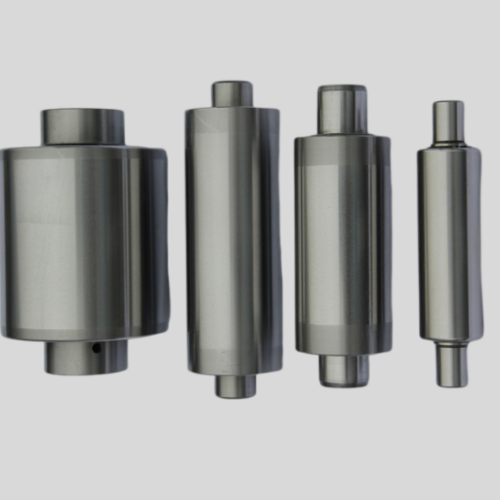
In the precision world of the tension leveler, if the work rolls are the “spearhead” executing the leveling task, then the backup rolls are the “foundation” that provides steadfast support and safeguards the accuracy of the entire system. Although they never contact the strip directly, their design and condition fundamentally determine whether the work rolls can function stably and precisely. Their core mission is to provide an absolutely solid support for the array of small, densely-packed work rolls, absorb the massive leveling reaction forces, and prevent the work rolls from deflecting under load, thereby ensuring consistent leveling force across the entire length and width of the strip.
A well-designed and properly maintained back up roll system is the prerequisite for achieving exceptional and stable shape quality, as well as high equipment reliability and longevity.
Core Functions: 1. Load-Bearing & Anti-Deflection – Support work rolls under high pressure. 2. Force Transmission – Transfer leveling force to machine frame. 3. Accuracy Guarantee – Create stable foundation for work rolls.
Design Philosophy: Large Diameter, High Rigidity. Fewer in number than work rolls, designed for absolute stability and minimal deflection under extreme loads.
| Type | Principle | Application |
|---|---|---|
| 4-High System | Direct support. Maximizes rigidity and load capacity. | Thick plate, high-strength steel. |
| 6-High System | Indirect support via intermediate rolls. Isolates vibration. | Premium surface materials (auto panel, polished stainless). |
| Zone Control | Segmented design for active "crown control". | Wide strip with complex shape issues. |
Primary Materials:
Key Processes: Forging & Heat Treatment, Precision Machining, Dynamic Balancing.
Surface Treatment: Fine grinding & chrome plating to reduce friction and resist corrosion.