

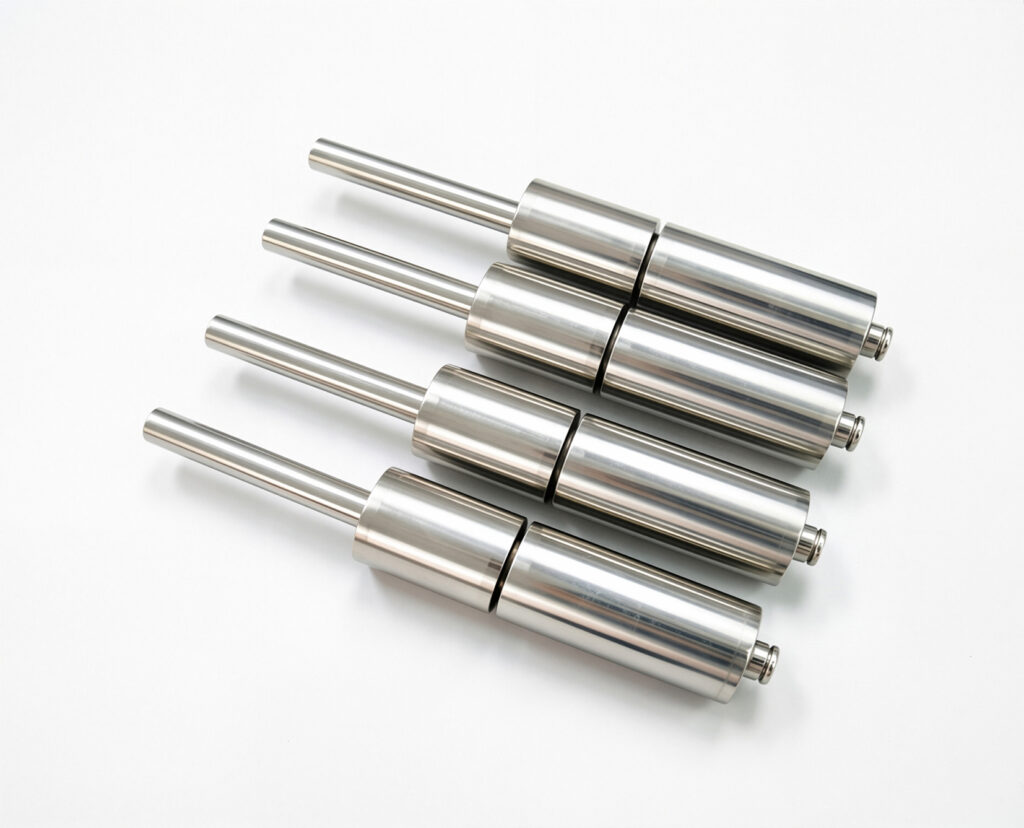
Overview: The Structural Foundation of Cold Rolling Machine Precision
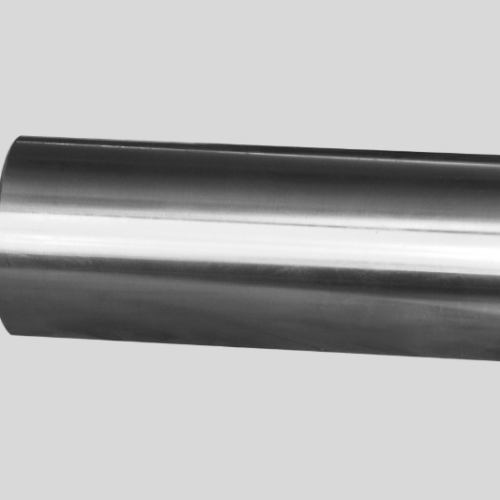
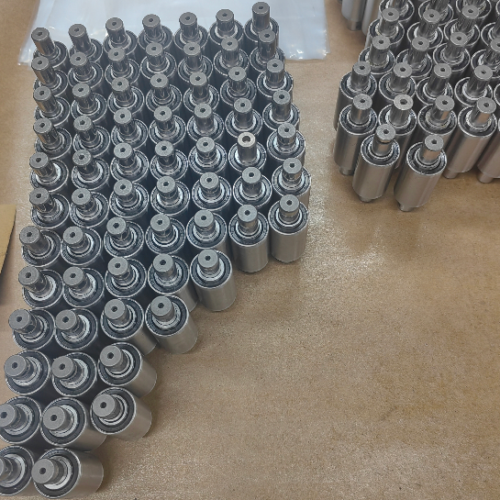
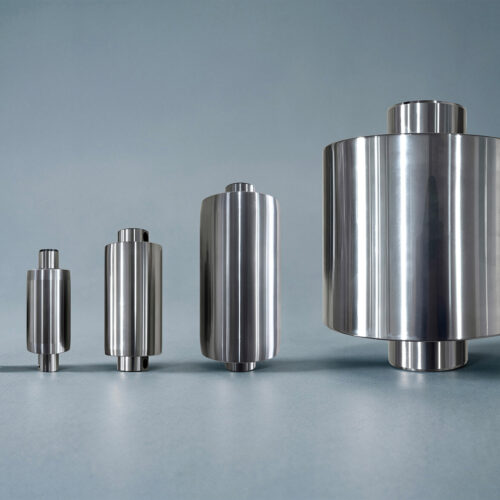
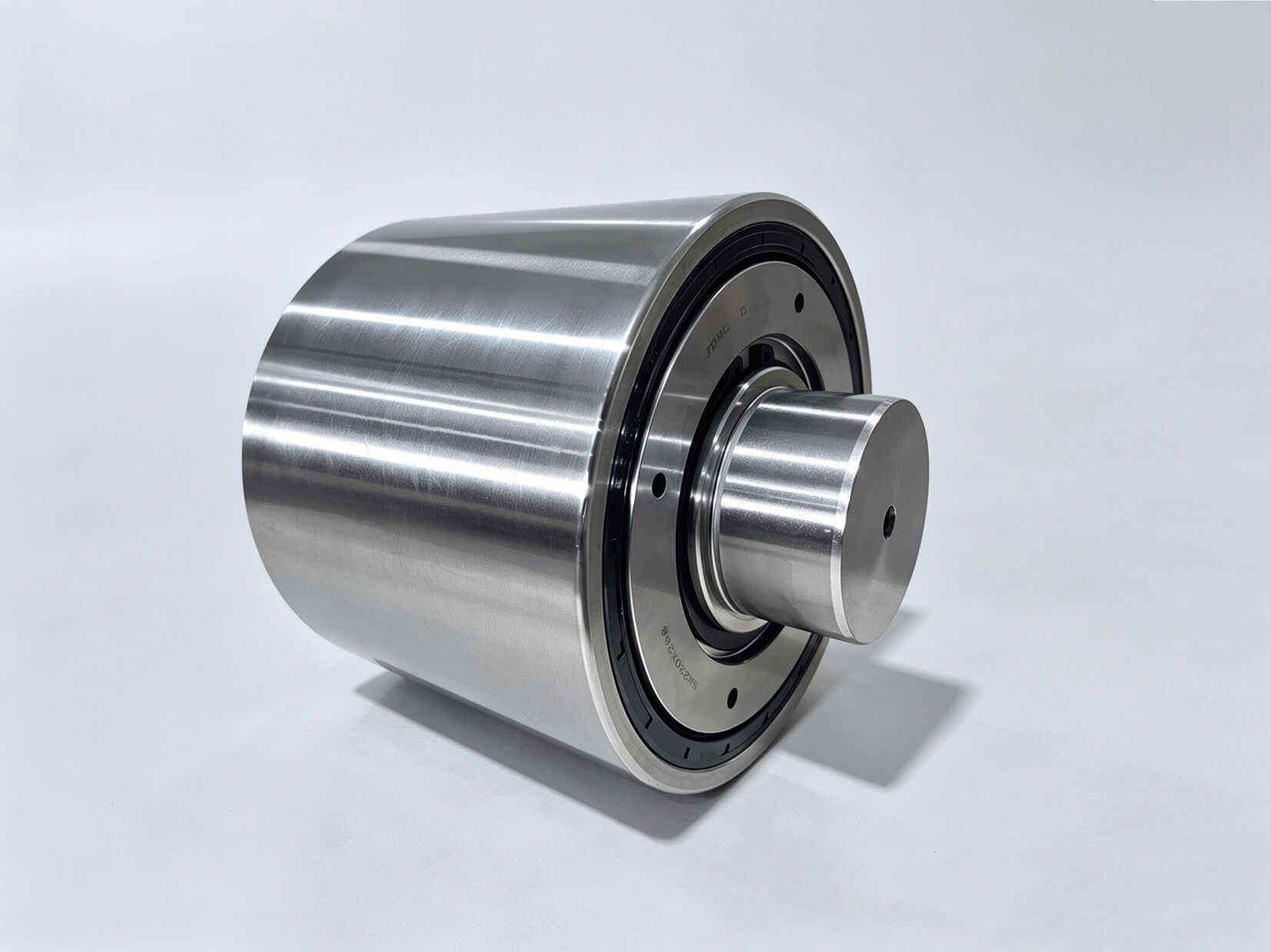
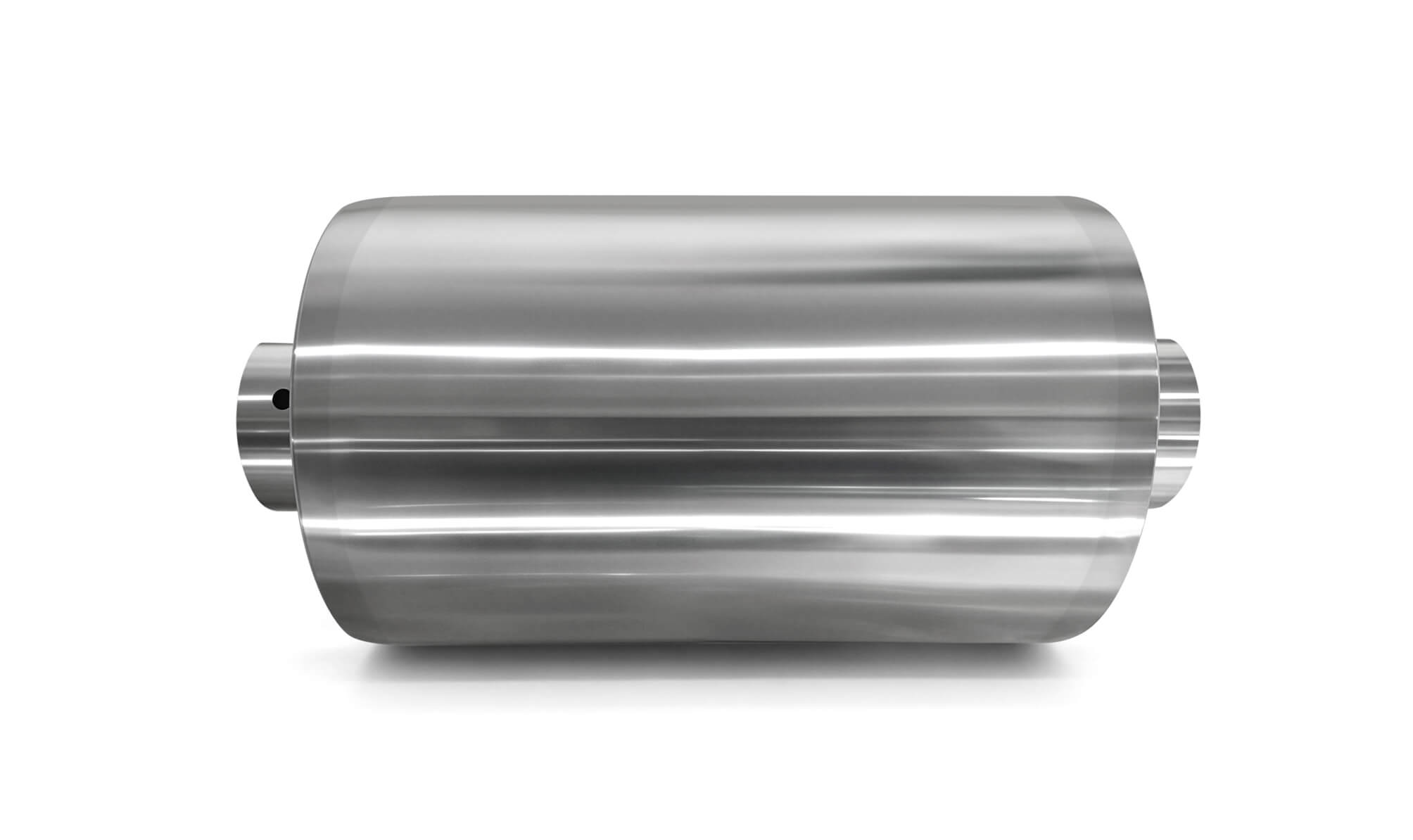
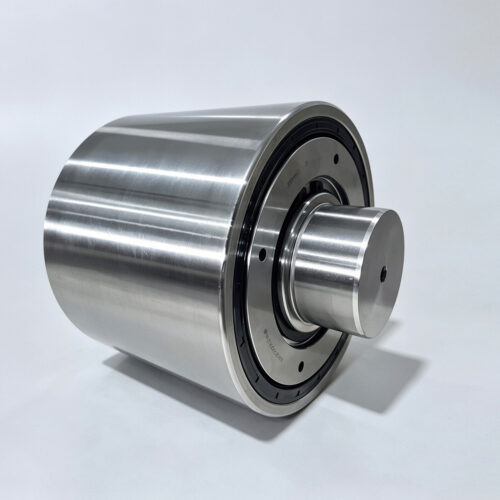
In a cold rolling machine, the work rolls serve as the direct contact point with the strip, while the forged back up rolls function as the structural backbone that makes precision rolling possible. These rolls never touch the strip surface directly; instead, they support the work rolls, absorbing the massive rolling reaction forces that would otherwise cause deflection and strip shape defects. This indirect support arrangement helps isolate vibration and enables superior surface quality on premium materials such as automotive panels and polished stainless steel. A properly designed and maintained forged back up roll system is therefore the prerequisite for achieving consistent strip shape, exceptional surface finish, and long-term equipment reliability in high-load cold rolling operations.
Material Advantages: 9Cr2Mo Forged Alloy Steel
The forged back up roll is manufactured from 9Cr2Mo high-carbon chromium-molybdenum alloy steel, a material specifically developed for cold rolling applications requiring an optimal balance of hardness, toughness, and fatigue resistance. Its chemical composition includes carbon at 0.85–0.95%, chromium at 1.70–2.10%, and molybdenum at 0.20–0.40%, with phosphorus and sulfur content strictly controlled at ≤0.025% for high purity.
This Cr-Mo alloying system enhances hardenability, ensuring uniform hardness distribution across large cross-sections while providing excellent resistance to tempering and thermal fatigue. The resulting mechanical properties include a tensile strength of approximately 850–1000 MPa at room temperature and a yield strength of no less than 650 MPa, with elongation maintained between 8% and 12%. These characteristics allow the forged back up roll to withstand the extreme contact stresses of high-load rolling without plastic deformation or surface spalling.
Key Specifications of Forged Back Up Roll
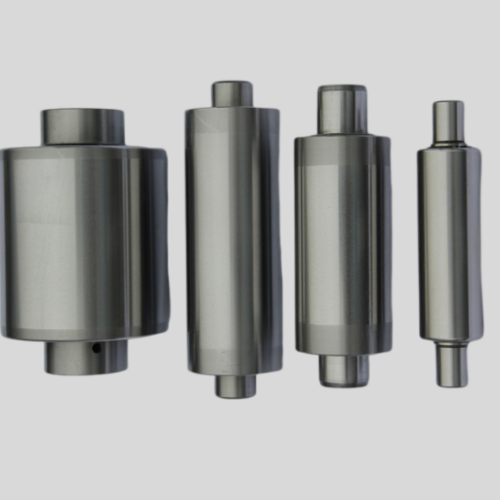
The forged back up roll for cold rolling machines is available in barrel diameters ranging from 500 mm to 800 mm, with the capability to produce larger diameters up to 1500 mm for specialized applications. Barrel hardness after heat treatment reaches 55–80 HSD, with hardness uniformity controlled to within 4 HSD across the roll body.
The effective hardening depth extends to 30 mm, providing a wear-resistant working layer that can be repeatedly reground without compromising performance. For 9Cr2Mo material specifically, the barrel surface hardness can achieve HS80–98, equivalent to HRC 60–65, with an effective hardened layer of 6–15 mm, while the roll neck hardness is maintained at HS30–55 to ensure adequate toughness at the bearing journals. The surface finish is precision-ground to Ra 0.4–1.6 μm, and optional chrome plating further reduces friction and enhances corrosion resistance.
Manufacturing Process: Forging, Heat Treatment & Precision Machining
The forged back up roll undergoes a rigorous multi-stage manufacturing process beginning with vacuum casting and electroslag remelting to minimize gas pickup and non-metallic inclusions, ensuring a clean and homogeneous ingot structure. Forging is performed with a typical reduction ratio of 3:1 to eliminate loose structure defects and optimize the microstructure. The heat treatment sequence includes spheroidizing annealing at 790–810°C, followed by quenching at 880–900°C using water, oil, or PAG quenchants depending on workpiece geometry, and finally low-temperature tempering.
This multi-stage thermal cycle produces a working layer consisting of martensite or bainite with finely dispersed carbides, delivering both high wear resistance and resistance to crack propagation. Precision machining is carried out on advanced CNC lathes and grinders, with dynamic balancing performed to eliminate vibration during high-speed rolling. Ultrasonic testing and metallographic analysis verify internal soundness and residual stress distribution.
Application & Performance
This forged back up roll is engineered specifically for the demanding environments of metallurgical equipment and mining machinery. In metallurgical cold rolling operations, it supports the work rolls in cold rolling machines, providing the rigidity required for processing thin-gauge strip with tight thickness tolerances. The material’s deep hardening layer and superior wear resistance deliver a service life up to 5–8 times that of conventional cast iron rolls, significantly reducing roll change frequency and maintenance downtime.
The roll’s capacity to maintain dimensional stability under continuous high-speed operation makes it equally suitable for heavy-duty mining machinery applications where sustained load-bearing reliability is critical. With uniform hardness, minimal segregation, and excellent fatigue resistance, this 9Cr2Mo forged back up roll represents the optimal choice for high-load applications requiring uncompromising precision and durability.