Benefits and Technical Parameters of Work Rolls for Tension Levelers
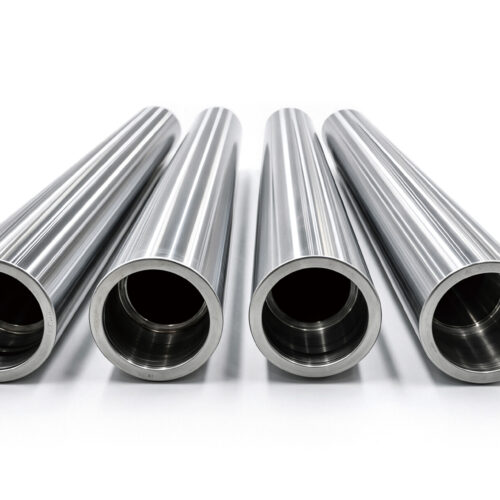
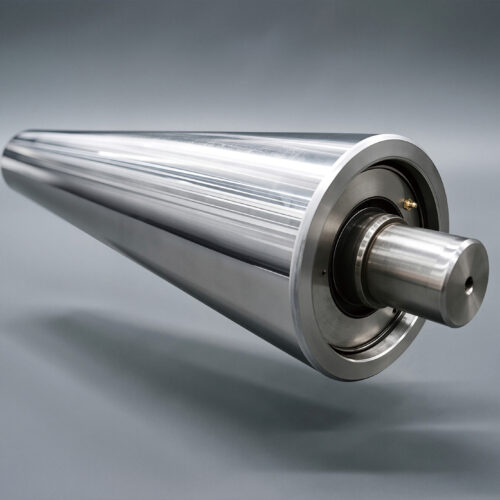
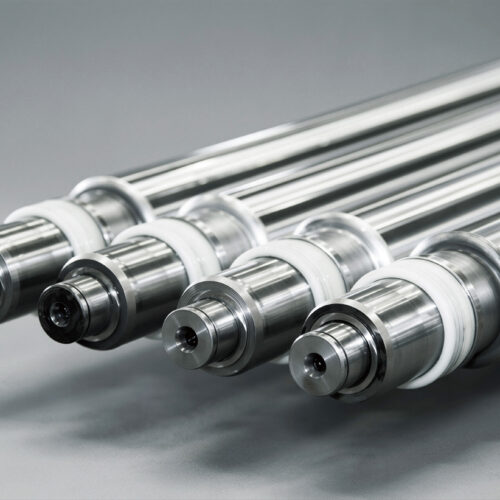
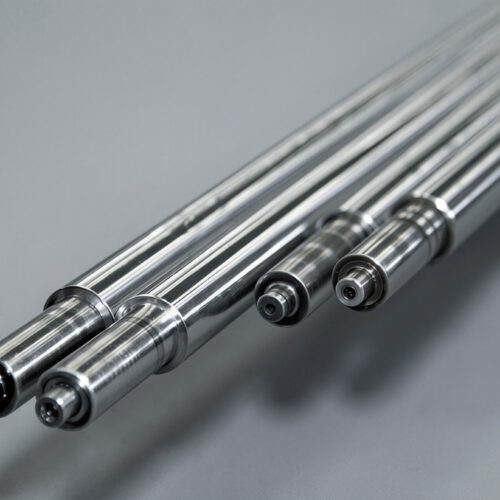
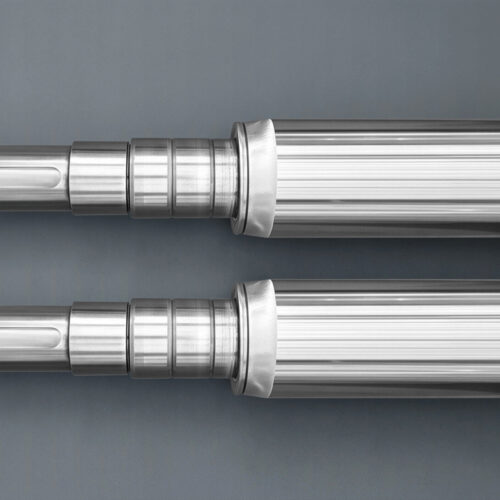
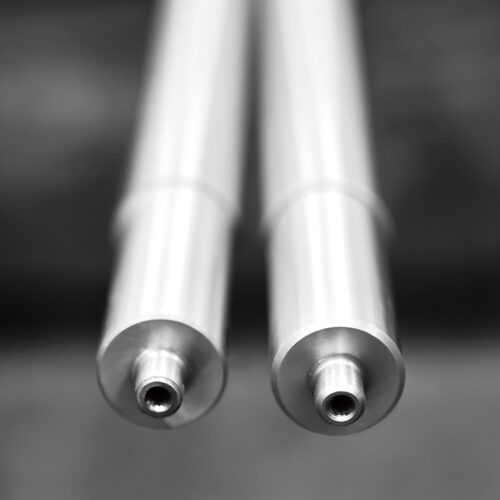
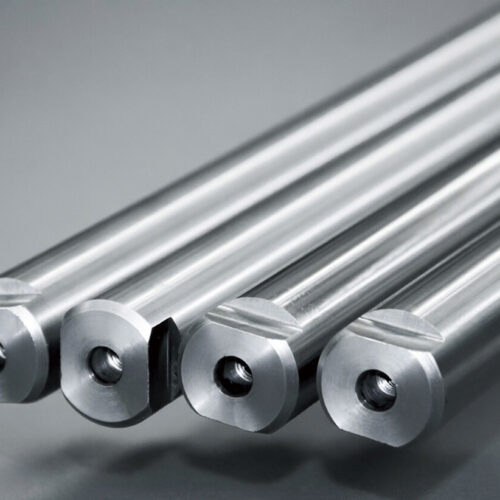
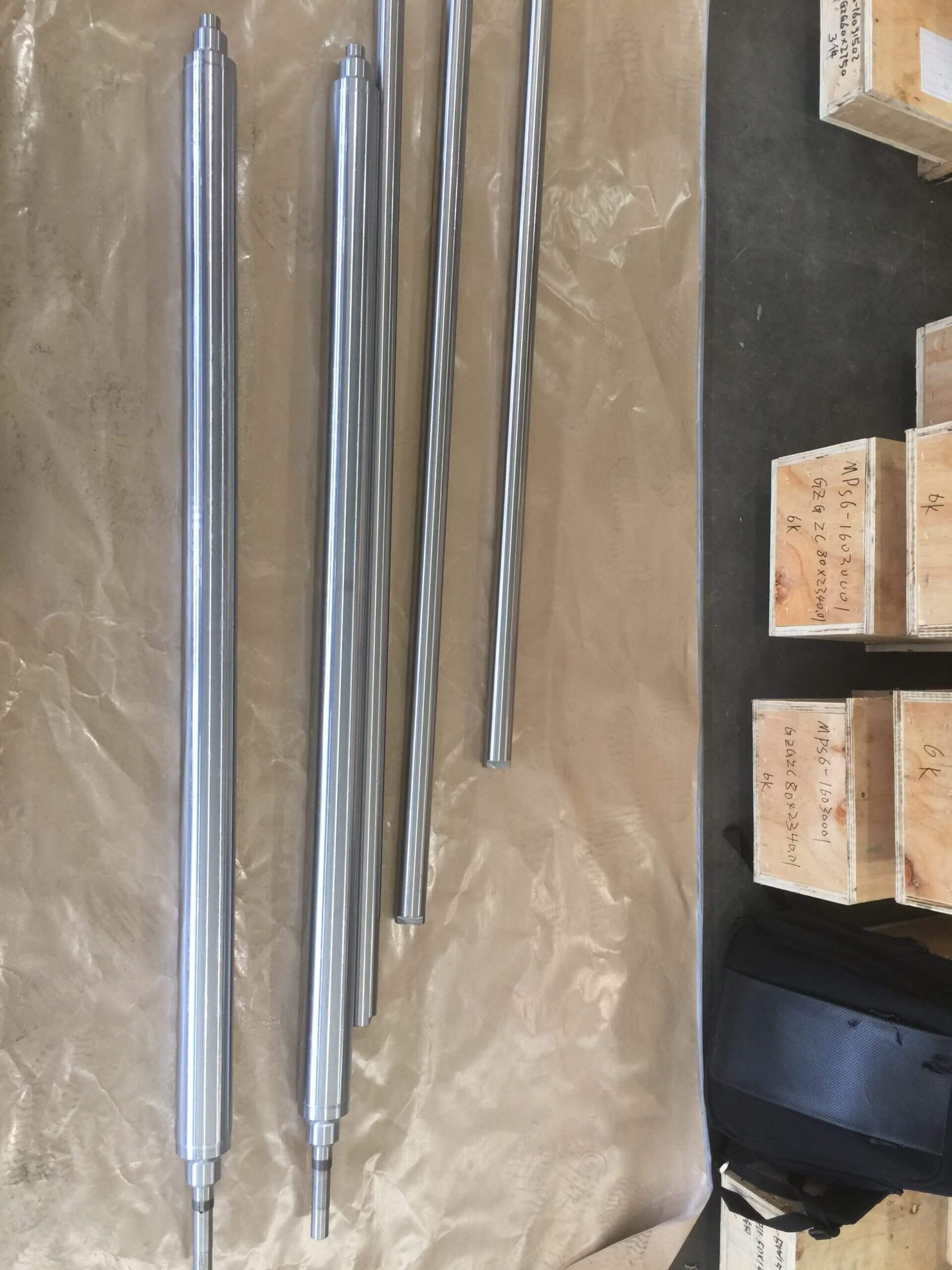
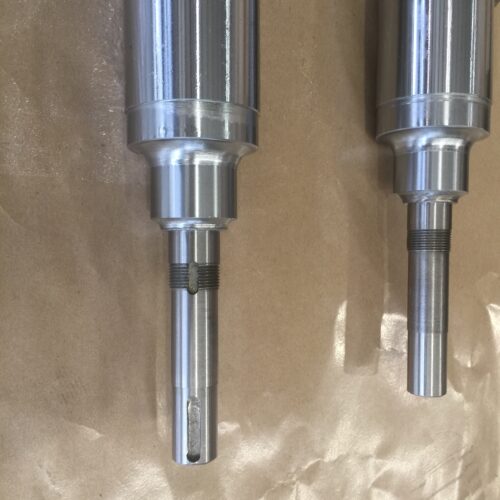
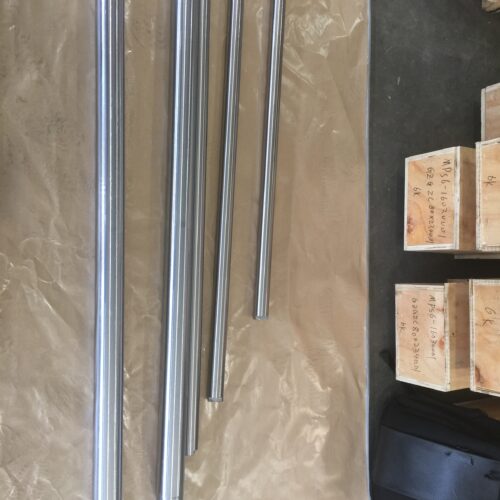
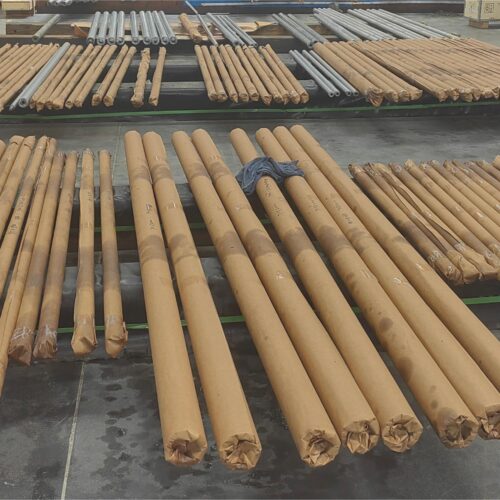
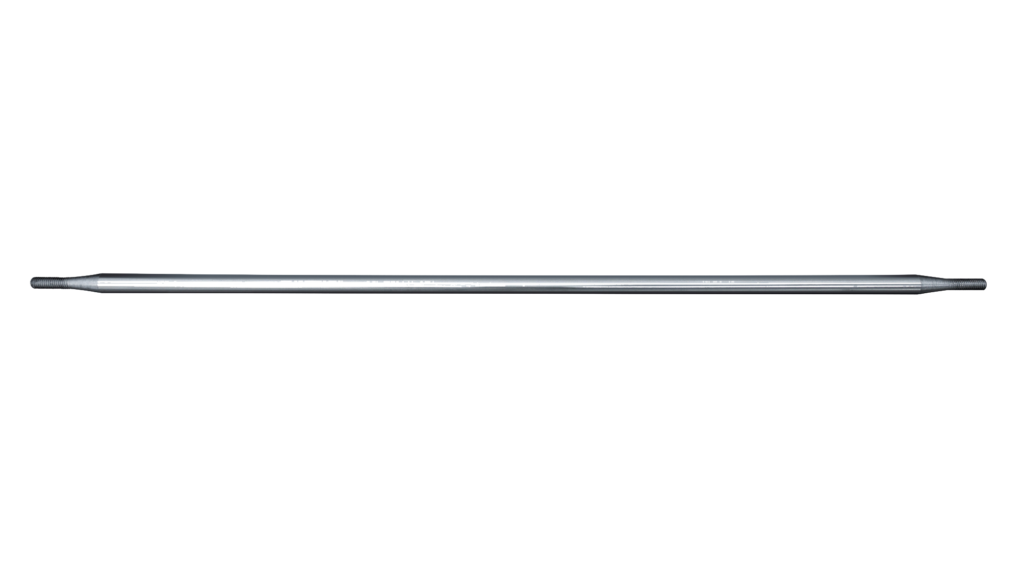
Work rolls are indispensable components in tension leveling equipment, serving as the primary contact elements that directly interact with the processed metal strip. Their fundamental role is to support the backup rolls or intermediate rolls, preventing deflection and deformation under immense rolling forces. Any deviation in roll geometry or surface integrity would immediately compromise the flatness, thickness uniformity, and surface quality of the final product. Therefore, the performance of work rolls is directly linked to the output efficiency and quality of the entire plate and strip production line.
High-quality work rolls must exhibit a combination of critical characteristics to withstand the severe conditions of modern rolling mills. These include exceptionally high surface hardness, excellent hardness uniformity across the entire roll surface, a sufficiently deep hardened layer within the roll body, and superior strength and toughness in both the roll barrel and roll necks. Additionally, they must demonstrate outstanding wear resistance, strong resistance to spalling, and robust accident tolerance—meaning they can endure sudden overloads, thermal shocks, and occasional foreign material ingress without catastrophic failure. These collective features enable work rolls to perform reliably in high-speed, large-capacity, high-precision straightening and leveling operations, where even minor performance degradation can result in costly downtime and scrap.
From a material and manufacturing perspective, our work rolls are produced from high‑grade alloy steels, carefully selected for their hardenability and fatigue strength.
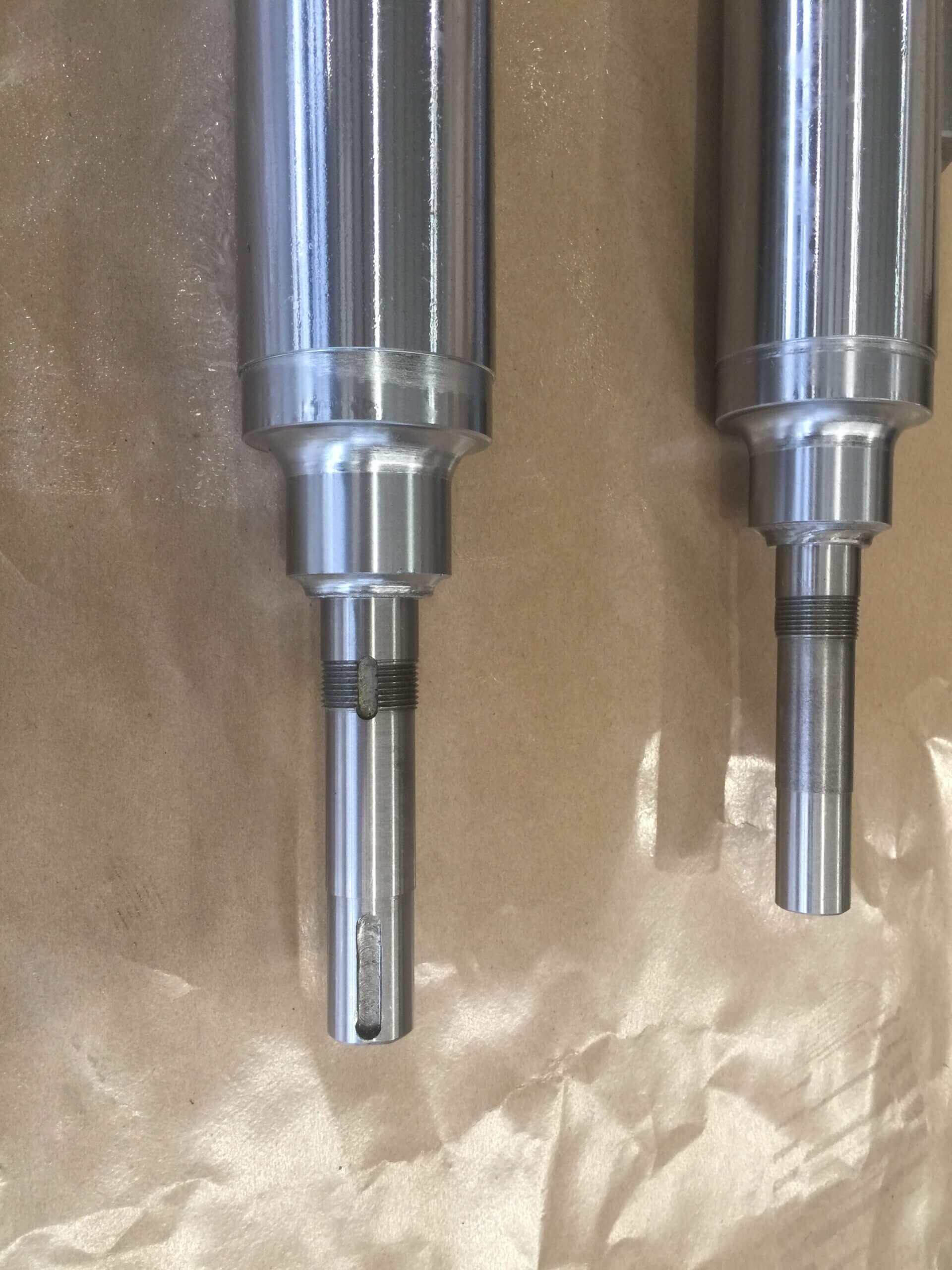
The surface is induction‑hardened to achieve a Rockwell hardness of HRC 63–65, with a consistent quenched depth of 3 to 5 mm. This deep hardening layer ensures that the roll retains its wear‑resistant properties even after repeated regrinding, significantly extending the useful life of the roll.
Moreover, a hard chromium plating layer of 0.03–0.05 mm thickness is applied to the roll surface using controlled electroplating technology. This chrome coating not only raises the surface hardness to HV 800–1000 (equivalent to approximately HRC 65–67) but also reduces the friction coefficient by 40–45% and minimizes adhesion of the strip material.
Consequently, the rolls experience less abrasive wear, reduced scoring, and longer intervals between maintenance cycles—typically extending service life by up to 50% compared with uncoated rolls.
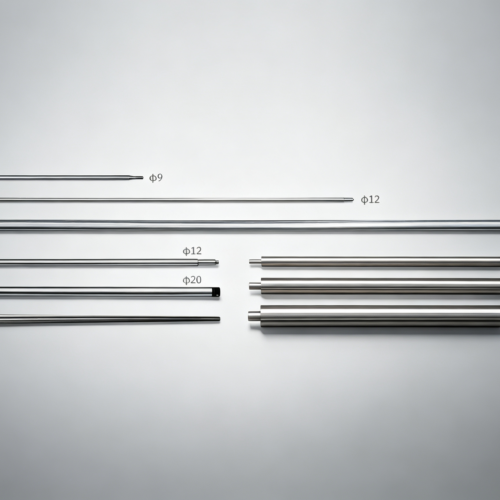
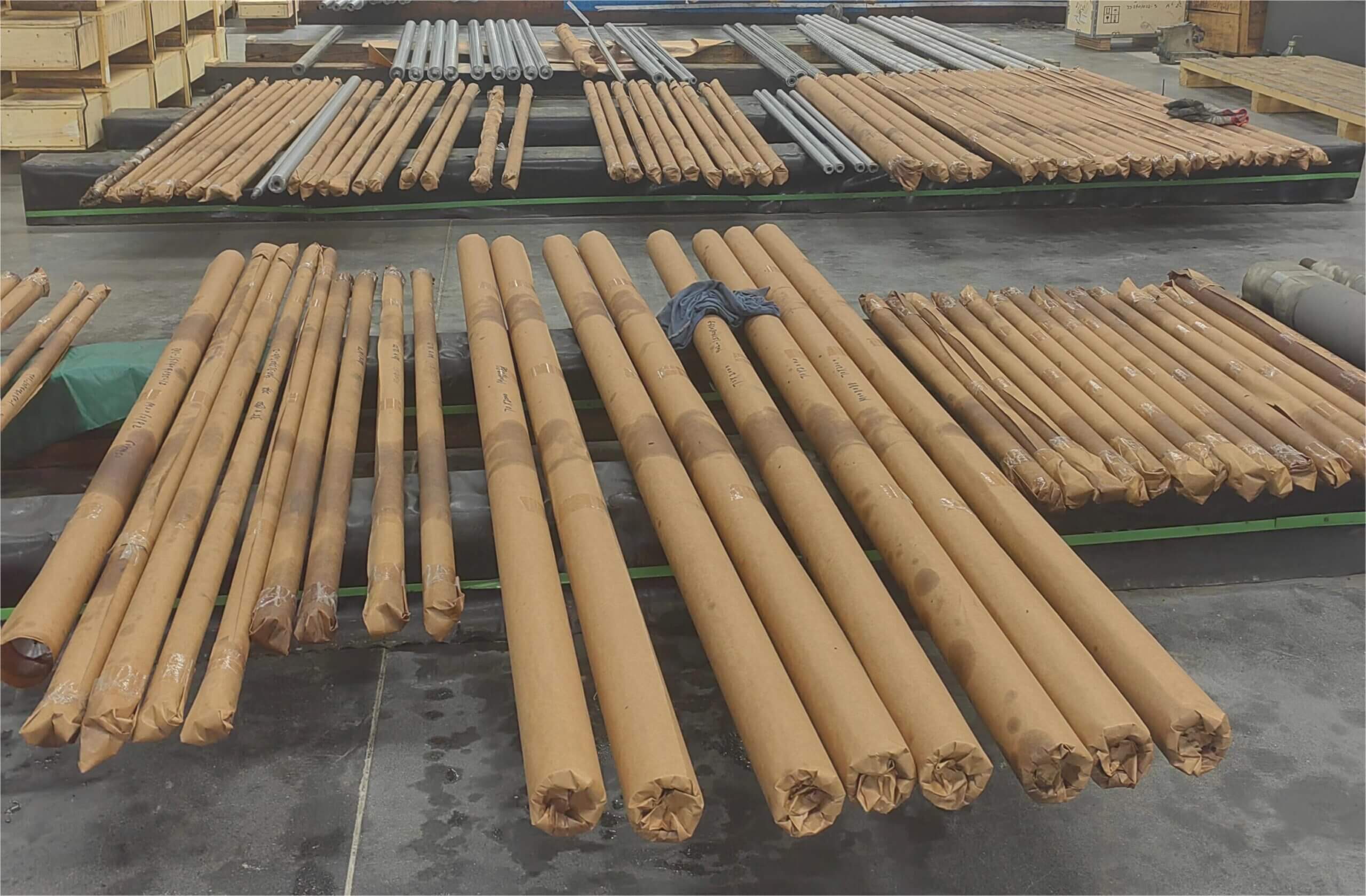
The application scope of these work rolls is remarkably broad. They are routinely deployed in four‑high cold rolling mills, skin‑pass mills, and tension levelers processing a wide variety of metals, including austenitic stainless steel, high‑strength carbon steel, aluminium alloys, copper alloys, and even advanced high‑strength steels (AHSS). The diameter range of our rolls spans from 9 mm to 68 mm, offering flexibility for different strip thicknesses—from ultra‑thin electronic foils (0.1–0.3 mm) to thicker structural plates (up to 8.0 mm). Intermediate sizes are customised to match specific material properties and production parameters, ensuring optimal performance for each unique application.
Industries that benefit most from these rolls include automotive manufacturing, where they produce exposed body panels, chassis components, and structural reinforcements with stringent surface requirements. In the home appliance sector, work rolls are essential for fabricating outer casings of refrigerators, washing machines, and air conditioners, where aesthetic quality and dimensional consistency are paramount. The construction industry relies on them for processing steel plates, sections, and roofing materials that demand excellent flatness and mechanical strength. Furthermore, the growing demand for lightweight materials in aerospace and electronics has increased the use of aluminium and titanium alloys, which also require precise leveling—a task our work rolls handle with ease.
Beyond the physical roll properties, bending technology plays a pivotal role in achieving superior strip flatness. Work roll bending, either positive (crown‑increasing) or negative (crown‑decreasing), allows dynamic adjustment of the roll gap profile during rolling. By modulating the bending force, mill operators can effectively control the thickness profile and transversal flatness of the strip, reducing common defects such as edge wave, centre buckle, and quarter buckle. Advanced closed‑loop control systems integrate bending with automatic gauge control (AGC) to maintain flatness tolerances within I ≤ 2 units, ensuring that the finished strip meets the most demanding quality standards. This bending technique not only enhances product quality but also improves mill productivity by reducing the need for subsequent corrective passes.
Quality assurance is another cornerstone of our work roll offering. Every roll undergoes rigorous non‑destructive testing, including ultrasonic inspection for internal defects, magnetic particle inspection for surface cracks, and hardness profiling to verify uniformity of the hardened layer. Dynamic balancing is performed to minimise vibration during high‑speed operation, which in turn reduces bearing loads and prevents chatter marks on the strip. Our manufacturing processes adhere to ISO 9001 and IATF 16949 standards, guaranteeing traceability and consistent quality from raw material to finished product.
In terms of operational economics, the use of premium work rolls leads to tangible cost savings. Extended maintenance intervals reduce scheduled downtime, while lower friction translates into reduced drive power consumption—typically 15–20% less energy per ton of processed material. Reduced scrap rates and improved first‑pass yield further enhance the overall profitability of the rolling line. Additionally, the anti‑staining properties of the chrome surface prevent material transfer and build‑up, which would otherwise cause surface defects and require frequent roll cleaning.
In summary, work rolls are far more than simple cylindrical tools; they are precision‑engineered components that directly influence the efficiency, quality, and cost‑effectiveness of metal processing operations. With our combination of optimized material selection, deep hardening, precision chrome plating, and advanced bending control, we deliver work rolls that meet the most challenging industrial demands. As the metalworking industry continues to evolve toward higher speeds, thinner gauges, and stronger materials, our commitment to innovation and quality ensures that our work rolls will remain a trusted partner in achieving production excellence.