
Introduction

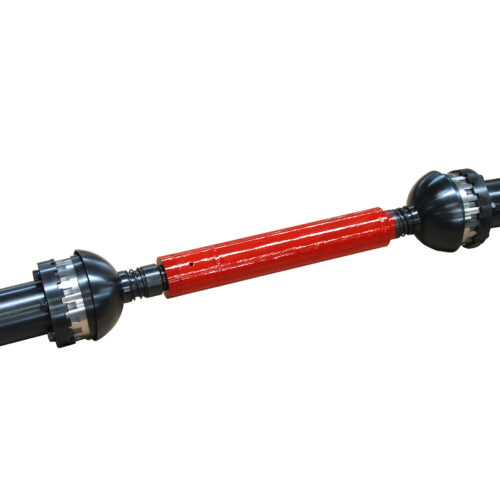
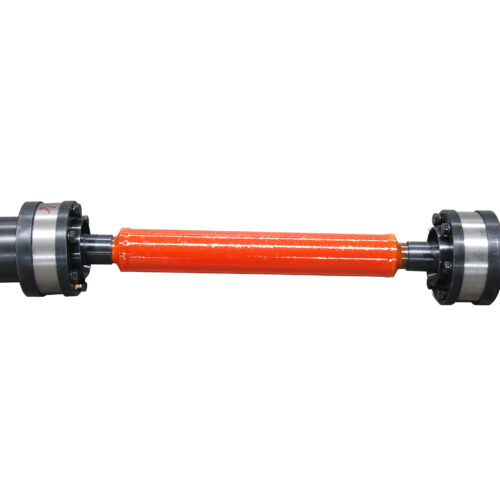
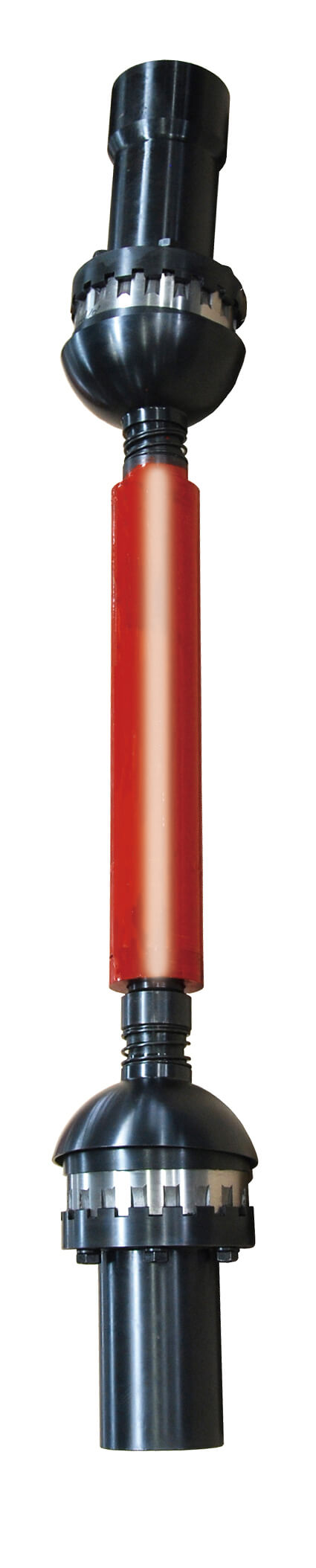
Universal joints are essential components in rotating machinery, connecting shafts that are not perfectly aligned while accommodating angular, radial, and axial misalignments caused by thermal expansion, foundation settling, and operational loads. Among all designs, the ball‑cage constant velocity (CV) joint is superior because it maintains identical input and output speeds even at large working angles, eliminating the speed fluctuations inherent in traditional Cardan joints.
This guide focuses on ball‑cage CV joints used in four key heavy industry sectors: steel rolling, mining, petrochemical, and heavy machinery (including construction and engineering vehicles). We cover types, specifications, applications, and selection – with reference to products manufactured by Ascon One Engineering Co., Ltd. and distributed by Yiwu Winnor Trade Company.
Fixed vs. Plunging Types of Universal Joints
Ball‑cage CV joints divide into two families:
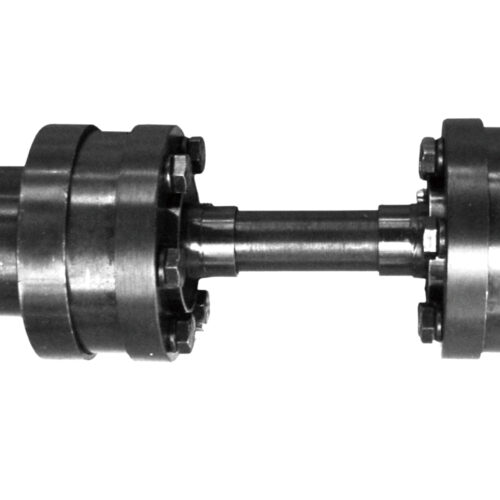
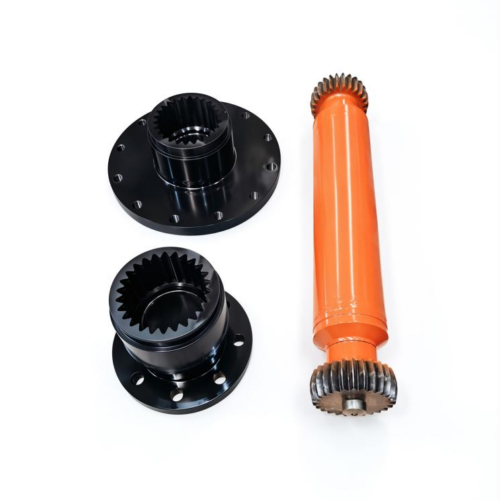
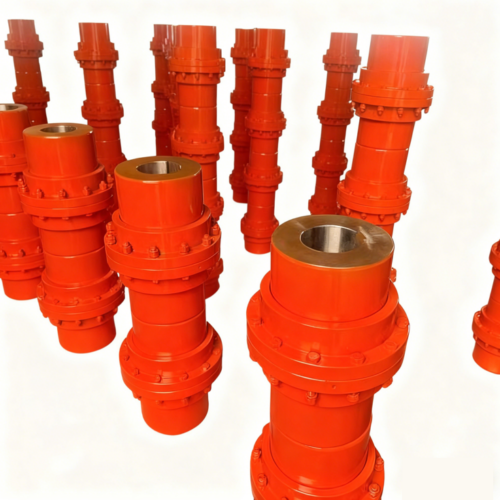
- Fixed‑type (BJ series) – Models: BJ‑C, BJ‑D, BJ‑DT, BJ‑DFT, BJ‑DY, BJ‑DYT, BJ‑CY, BJ‑CYT, BJ‑CT. These provide angular flexibility without axial stroke, ideal for stable shaft positions like main drive lines.
- Plunging (sliding) type – Models: DOJ‑C, DOJ‑F, BO5‑F, BO5‑FF, BOJ‑F, BOJ‑C, BOJ‑CT, BOJ‑D, BOJ‑E, BC‑P. These allow axial movement to compensate for thermal expansion and roll adjustments.
Both types operate at working angles from 0° up to 75°. The ball‑cage design ensures true constant velocity – output speed equals input speed regardless of angle.
Technical Specifications of Universal Joints
Our Universal Joints deliver torque from 380 N·m to 1,000,000 N·m, with rotational diameters from Φ36 mm to Φ725 mm (source: product catalog). This covers light auxiliary drives to heaviest steel mill main drives.
Key features:
- High efficiency (up to 99.7%)
- Compact structure, small footprint
- Excellent vibration and shock absorption
- High dynamic balance accuracy
- Optional overload protection
Materials are high‑strength alloy steel, with critical surfaces induction‑hardened to HRC 50‑60. Precision grinding and rigorous QC ensure reliable performance in harsh environments.
Industry‑Specific Applications
Steel Rolling – Main drives, roll connections, continuous mills. CV joints ensure smooth torque, absorb mill stretch, reduce torsional vibrations, directly improving product gauge and surface quality.
Mining – Conveyor drives, crushers, feeders, hoists. They handle shock loads and angular misalignment in dusty, high‑impact conditions.
Petrochemical – Pump drives, drill string connections. Compensate for borehole deviations and wave‑induced motion on offshore platforms.
Heavy Machinery – Construction equipment, agricultural implements, specialized vehicles where shafts are intentionally misaligned or must move during operation.
Selection Guidelines
- Calculate torque – T = 9550 × P / n (P in kW, n in rpm). Apply service factor (2.0–3.0 for heavy shock) to get calculated torque, which must not exceed nominal rating.
- Define working angle – Measure max angular deflection. For continuous service, keep below 30° where possible; our joints handle up to 75° intermittently.
- Check rotational diameter – Ensure Φ36‑725 mm fits your space.
- Consider environment – Temperature, dust, moisture, corrosion may require special coatings, seals, or lubrication.
Maintenance Tips
- Lubricate greaseable joints regularly with NLGI #2 lithium complex grease.
- Check alignment periodically – misalignment is the leading cause of failure.
- Inspect seals and listen for unusual noise or vibration.
- Replace when wear exceeds limits to avoid damage to connected equipment.