
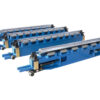
High-Precision Scale Breaker Roll Cassettes for Pickling Lines – Product Introduction
1. Product Overview
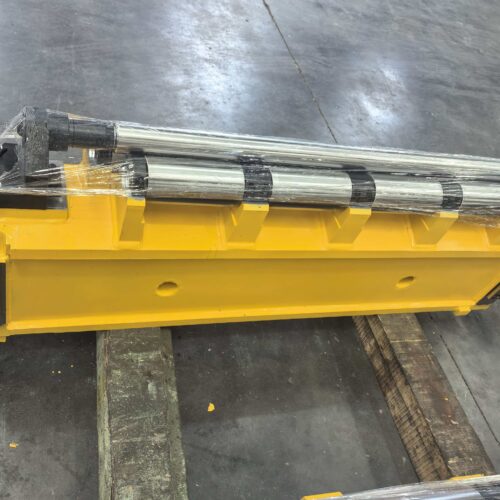
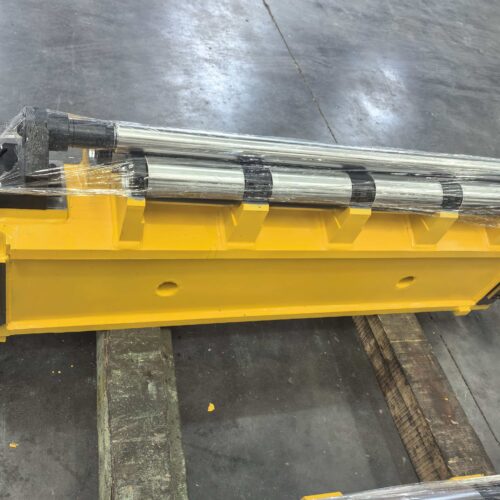
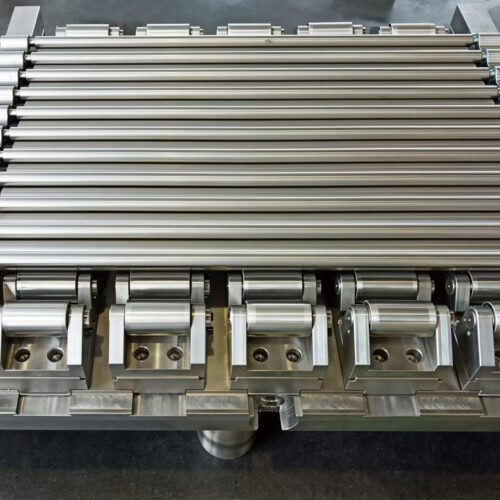
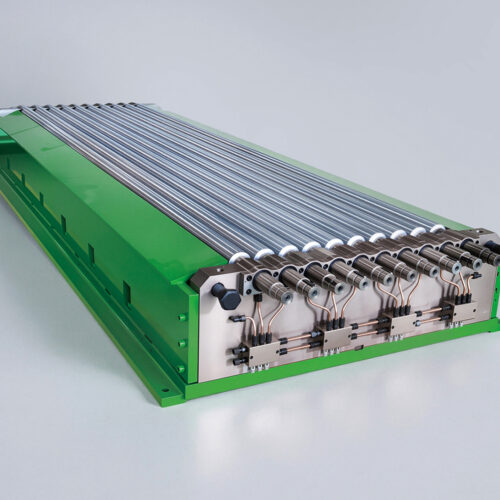
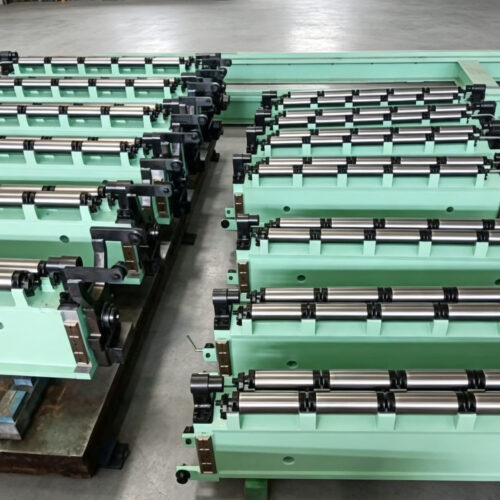
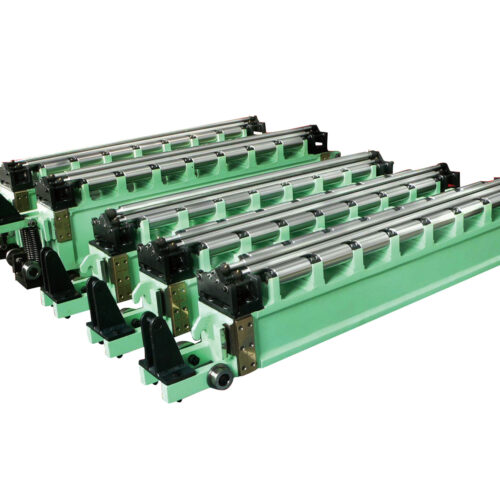
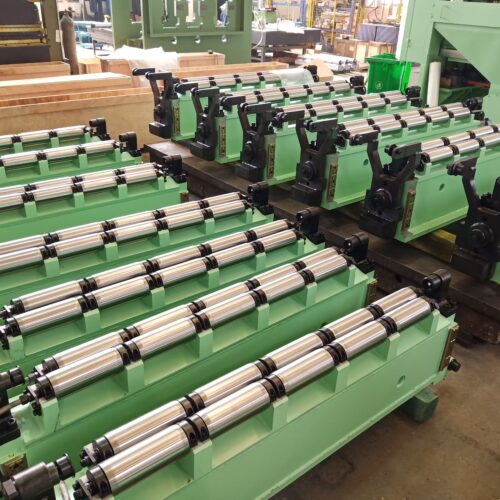
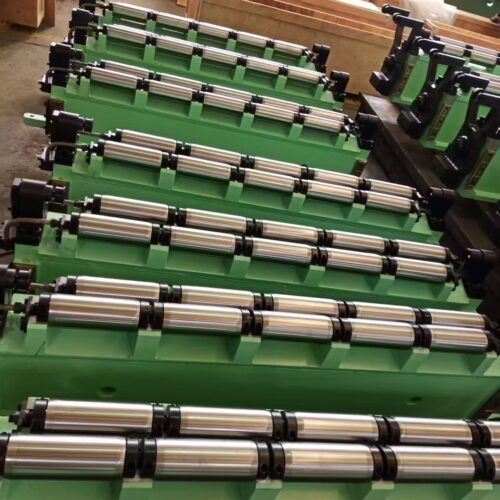
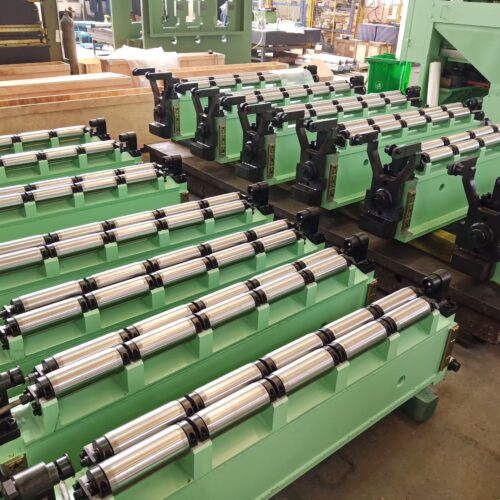
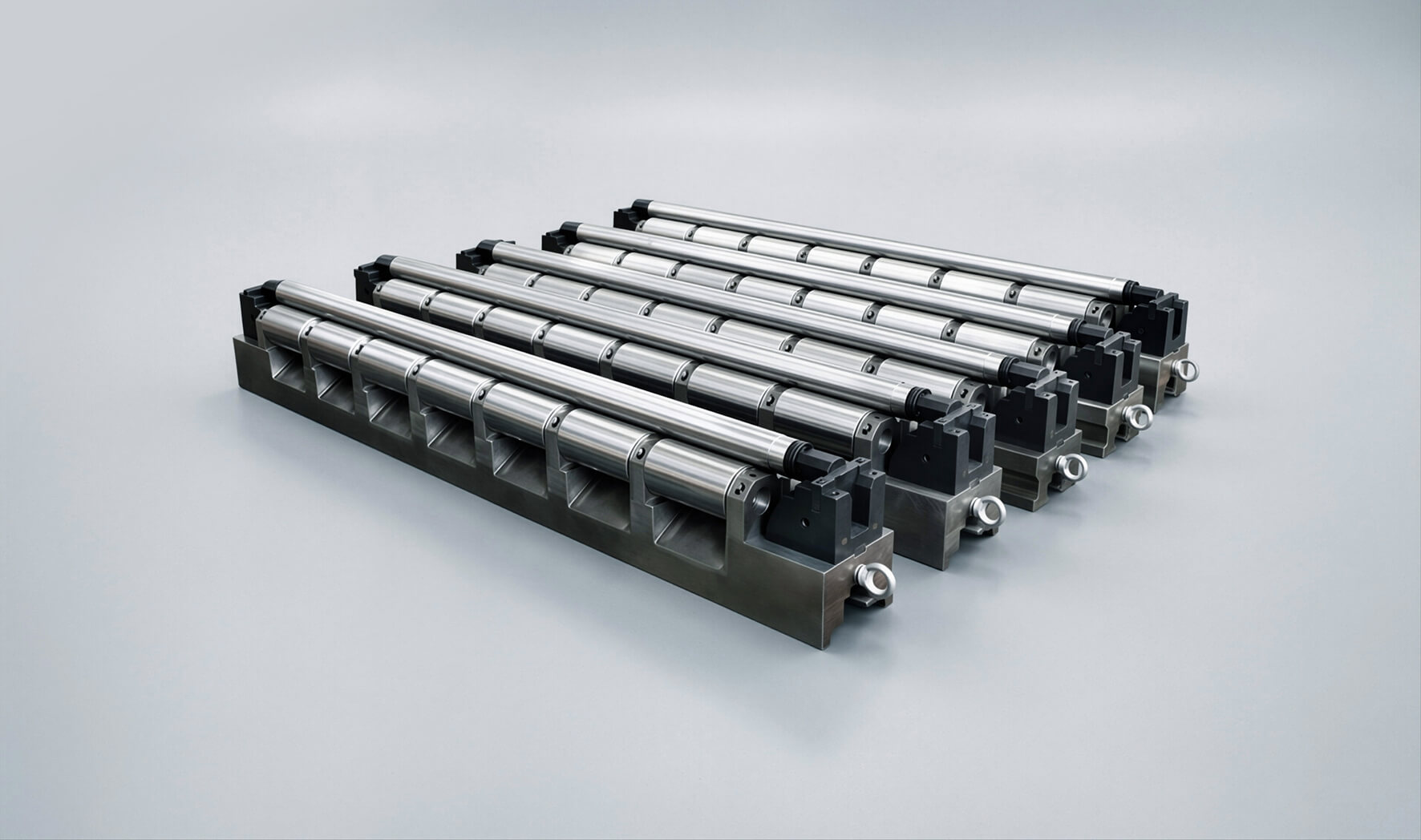
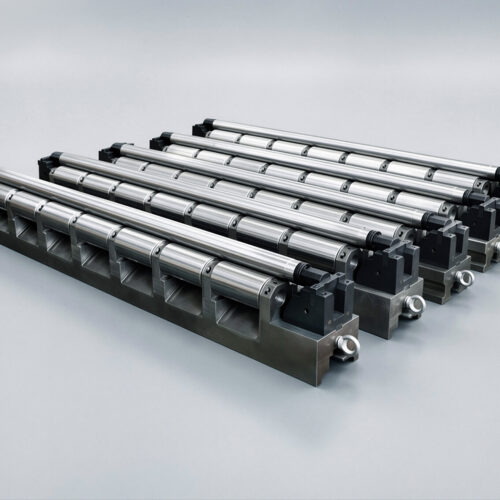
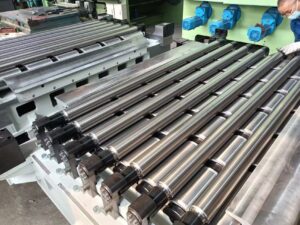
Scale breaker roll cassettes are the core bending rolls located at the entry section of hot‑rolled strip pickling lines. Their function is to mechanically bend and compress the dense iron oxide scale on the strip surface, creating cracks that allow pickling acid to penetrate and accelerate descaling. In continuous pickling operations, these rolls must withstand high temperatures, high humidity, strong corrosion, and heavy impact loads. Their precision level directly determines the descaling effectiveness and the final surface quality of the strip.
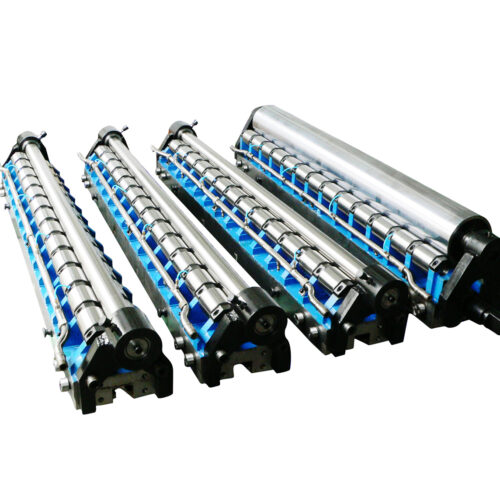
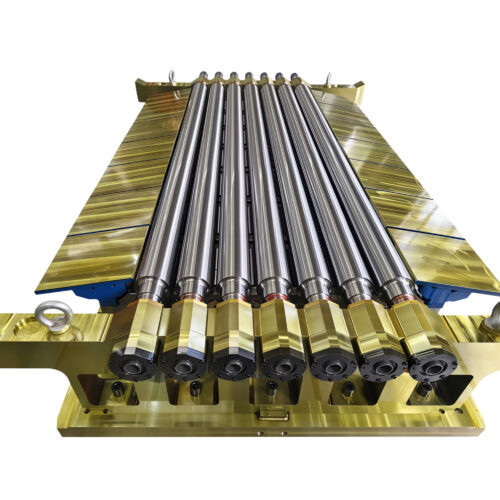
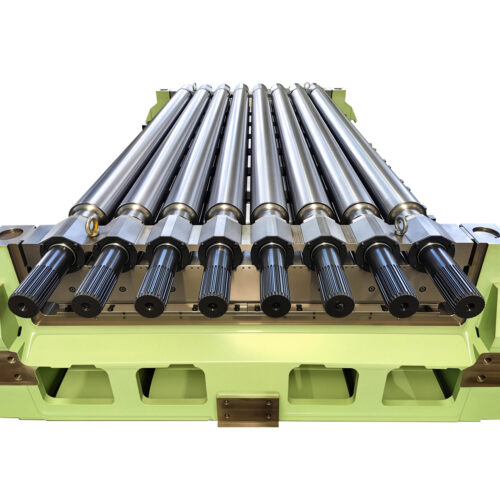
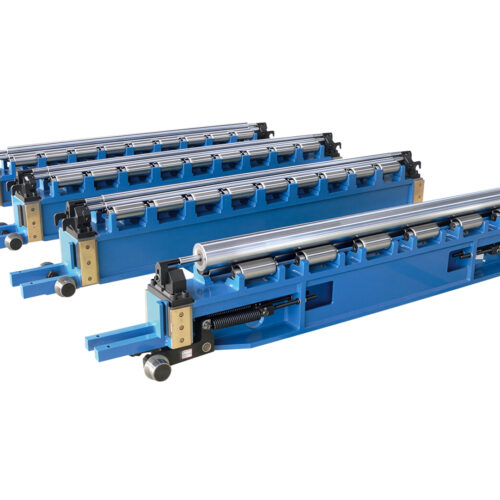
This product is a high‑precision scale breaker roll cassettes designed specifically for pickling lines processing high‑value‑added products such as automotive sheets, appliance panels, and electrical steel, where stringent surface quality and shape accuracy are required. The following introduction focuses on two core performance aspects: strip quality (plate & strip effects) and reduction of acid consumption in the pickling tank.
2. Excellent Strip Quality (Plate & Strip Effects)
2.1 Uniform Descaling without Damaging the Strip Surface
High‑precision scale breaker roll cassettes feature scientifically designed surface patterns (spiral grooves or dimples). The design principle is that the raised portions compress the scale to fracture it, while the recessed portions trap and carry away loosened scale debris, preventing it from being pressed back into the strip surface. The contact area between the pattern and the strip is controlled at 30–40%, which provides sufficient pressure for effective scaling without large‑area substrate damage.
Measured data shows that after using a spiral‑grooved high‑precision scale breaker roll, the strip surface roughness Ra increases by only 0.05 μm, whereas conventional smooth rolls, which tend to slip and require repeated bending, increase roughness by as much as 0.15 μm. For automotive sheets with extremely high surface quality requirements, this difference is critical. One automotive steel supplier previously used smooth scale breaker rolls and occasionally experienced transverse indentation marks after pickling, leading to customer complaints. After switching to high‑precision rolls with proper surface patterns, indentation defects were completely eliminated, and the product acceptance rate rose from 92% to 99%.
2.2 Improved Strip Shape (Flatness)
Scale breaker roll cassettes not only remove scale but also play an important role in improving strip flatness. The strip passes sequentially over and under the upper and lower roll sets in the scale breaker, undergoing repeated forward and reverse bending. This process not only fractures the scale but also corrects the strip shape. Studies have shown that under high tension, the strip undergoes a certain percentage of elongation, which effectively improves the strip flatness.
The high precision of this product (roll diameter tolerance ±0.05 mm, straightness ≤0.02 mm/m, coaxiality ≤Φ0.03 mm) ensures that the rolls maintain stable geometry and dimensional accuracy over long‑term operation. The aging‑resistant, deformation‑resistant characteristics allow the rolls to consistently maintain precise bending curvature even under continuous high‑speed operation, so that the scale across the full strip width—from the centre to the edges—is uniformly fractured. After pickling, the strip surface exhibits a uniform silvery‑white finish without dark streaks or bands, and the flatness is significantly improved, reducing downstream adjustment difficulties and scrap rates.
2.3 Avoiding Shape Deterioration
Unlike traditional descaling methods that rely heavily on high tension, the high‑precision scale breaker roll achieves descaling through multiple bending passes via a multi‑roll arrangement, fundamentally avoiding the use of excessive tension that could degrade strip flatness. The control system can achieve excellent descaling results without compromising shape quality, making it particularly suitable for thin gauges and special steel grades that have strict flatness requirements.
3. Significant Reduction in Acid Consumption
3.1 Enhanced Descaling Efficiency and Shorter Pickling Time
The essence of mechanical descaling is to pre‑fracture and partially dislodge the iron oxide scale before pickling. When the strip is bent under tension over the scale breaker rolls, the strip surface undergoes tensile and compressive strains. While the steel substrate readily accommodates such deformation, the brittle scale cannot follow, so when the strain exceeds its fracture limit, the scale cracks and spalls. Each bending pass imposes an impact on the scale, and multiple bends thoroughly comminute the scale layer.
With precise penetration control and stable roll alignment, the high‑precision scale breaker roll substantially increases the scale fracture rate. A higher fracture rate allows the pickling acid to penetrate the scale cracks more quickly, thereby significantly shortening the required pickling time. Experimental data indicate that after efficient mechanical descaling, the pickling time can be reduced from the conventional 16–22 seconds to 10–12 seconds; for high‑strength steels, it can be shortened from 35–45 seconds to 20–25 seconds.
3.2 Direct Reduction of Acid Consumption
During the descaling process, a portion of the iron oxide scale falls off mechanically and is not carried into the pickling tank. This means that the total amount of oxide that must be chemically removed by the acid is greatly reduced, and the pickling efficiency improves accordingly.
Industry statistics show that with efficient mechanical descaling, pickling efficiency can be increased by 30–50%, and acid consumption can be reduced by 30–40%. Other reports indicate that after mechanical descaling, acid consumption can be cut by more than 75%. For difficult‑to‑pickle materials such as high‑silicon steel, using a high‑precision scale breaker roll to pre‑fracture the scale can shorten the pickling time from 120 seconds to 60 seconds and lower acid consumption by 40%.
3.3 Higher Line Speed and Increased Productivity
The reduction in pickling time directly translates into higher line speeds. By optimising the roll penetration and tension settings, the overall line speed can be increased. In one actual case, improvements to the scale breaker unit allowed the process section speed to increase by 8%, correspondingly boosting production capacity. This means that with the same acid consumption, the line can process more strip, further lowering the acid cost per unit of product.
4. Lower Acid‑Fume Treatment Costs
Reduced acid usage not only cuts procurement costs but also means lower acid‑fume emissions. Hydrochloric acid tends to volatilise at elevated temperatures, requiring extensive fume treatment facilities, which are expensive to operate. By decreasing the acid consumption, the volume of acid fumes generated is also reduced, easing the burden on environmental control systems and helping operators meet increasingly stringent environmental regulations at lower compliance costs.
4. Comprehensive Benefits
Built on high‑precision manufacturing, the roll surface is overlaid with a special hardfacing alloy (high‑chromium iron‑based or nickel‑based alloy). In hydrochloric or sulphuric acid environments, the roll surface corrosion rate is reduced from 0.5–1 mm/month for the base material to below 0.1 mm/month, extending the service life of the scale breaker roll from the traditional 3–6 months to 12–18 months. Worn rolls can be re‑machined to remove the damaged overlay and re‑hardfaced; the roll body can be reused 2–3 times, with refurbishment costs only 40–60% of a new roll.
In terms of strip quality, the high‑precision scale breaker roll delivers uniform descaling, no surface damage, and improved flatness, raising the product acceptance rate from 92% to over 99%. In terms of acid reduction, pickling efficiency is improved by 30–50%, acid consumption is cut by 30–40%, and pickling time is shortened by more than 40%. The combination of these advantages delivers a dual benefit of enhanced surface quality and lower production costs for the customer.